

How to Prevent Pooling Water and Protect Your Property
Standing water isn’t just an eyesore; it’s a warning sign. Whether it’s pooling in your yard, driveway, patio, or commercial site, unmanaged water can quietly lead to costly structural damage, safety hazards, and long-term landscape issues. Understanding why standing water occurs and how modern drainage systems solve it is key to protecting both property value and performance.
What is Standing Water and Why It’s a Problem
Standing water refers to water that remains on the surface for an extended period after rainfall or irrigation. While a small puddle might seem harmless, persistent pooling can escalate into serious issues:
- Foundation damage & erosion
- Cracked concrete from freeze–thaw cycles
- Dead grass, plants, and soil instability
- Mosquito breeding and health risks
- Slip hazards on hardscapes
Water that perpetually lingers for more than 48 hours can damage landscapes, create unsafe conditions, and even impact building integrity.
What Causes Standing Water on Your Property?

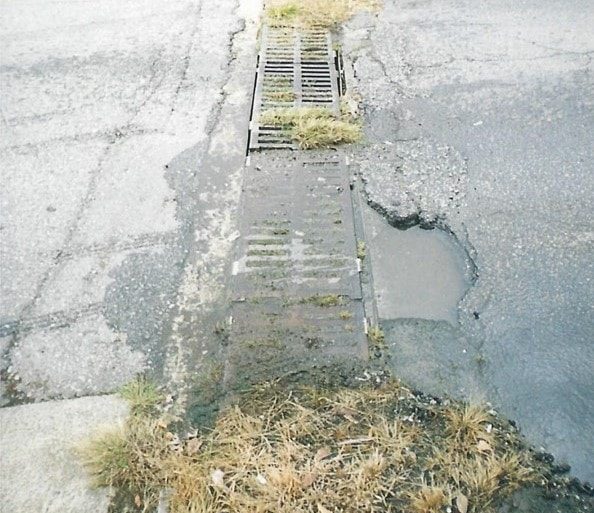
The lack of a drainage system causes pooling water next to building foundations.
Most drainage issues come down to a few key problems:
- Poor grading or Slope – Water naturally follows gravity. If your property slopes toward structures instead of away, water collects where it shouldn’t.
- Compacted or Saturated soil – Dense soil prevents water absorption, forcing runoff to remain on the surface.
- Hard surfaces – Driveways, patios, and sidewalks prevent infiltration, increasing surface runoff volume.
- Inadequate or Lack of drainage systems – Without proper systems in place, water has nowhere to go—leading to repeated pooling.
The True Cost of Poor Drainage
Ignoring standing water can quickly turn into a major expense:
- Structural damage: Water intrusion can weaken foundations and cause basement leaks
- Surface deterioration: Pavement can crack and shift under constant moisture exposure
- Landscape loss: Prolonged saturation can prevent grass and plants from growing and maintaining a healthy state
- Operational disruption (commercial sites): Poor drainage can halt operations or create liability risks
In short, standing water is not just a nuisance; it’s a compounding problem.

Effective Drainage Solutions That Work

The right drainage strategy solves standing water problems. The most effective drainage systems combine collection, conveyance, and discharge.
1. Trench Drain Systems (Linear Drainage)
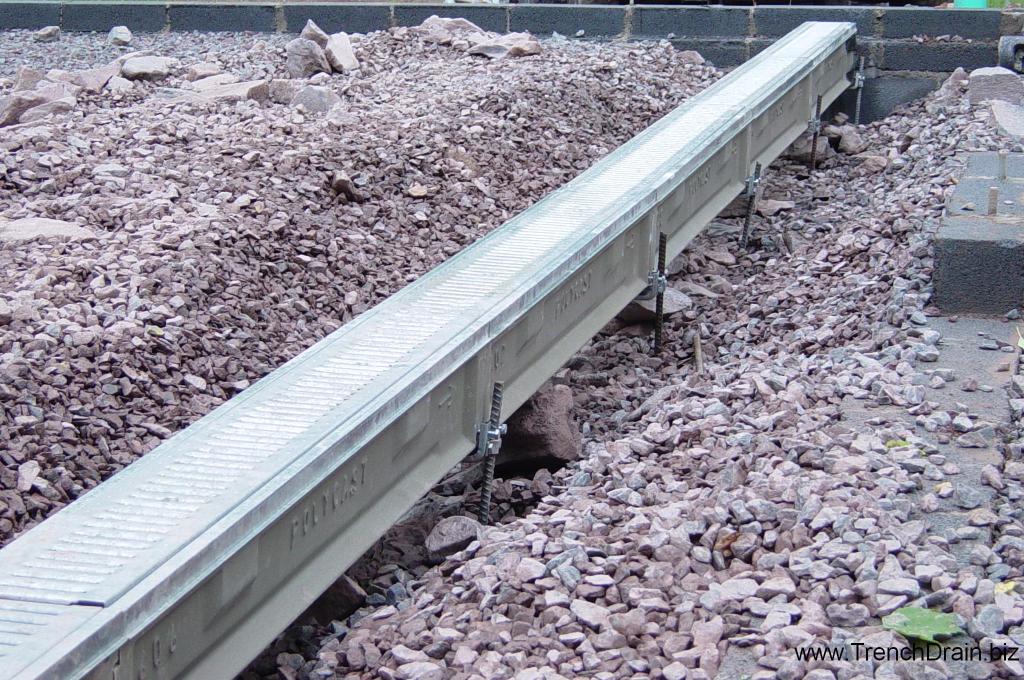
A trench drain, also called a channel drain or trough drain, is one of the most effective solutions for surface water.
- Installed flush with the ground surface
- Uses a grated channel to collect runoff
- Moves water away to a safe discharge point
Unlike traditional point drains, trench drains create a continuous interception line, capturing water across an entire surface rather than a single spot.
This makes them ideal for:
- Driveways
- Patios and pool decks
- Parking lots and loading docks
- Industrial and commercial applications
They are especially effective in flat or high-flow areas where water tends to spread and accumulate.
2. Catch Basins
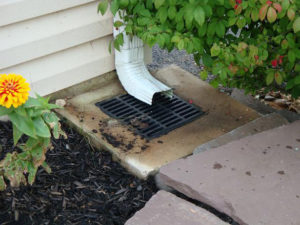
Catch basins collect water at low points and filter debris before directing water into underground piping systems.
Best for:

3. French Drains
French drains are subsurface systems that redirect groundwater using gravel-filled trenches and perforated pipes.
Best for:
- Saturated soil
- Foundation protection
- Persistent underground moisture
4. Pre-Sloped Drainage Systems
Many advanced systems include a built-in slope engineered to improve flow velocity and reduce clogging or stagnation.
This ensures:
- Faster water movement away from the area
- Less maintenance
- Improved long-term reliability
Why Trench Drain Systems Are a Preferred Solution
Modern systems from providers like Trench Drain Systems offer drainage solutions tailored to both residential and commercial applications.
Key advantages include:
- Efficient water capture across large surfaces
- Durable materials (stainless steel, ductile iron, polymer concrete)
- Customizable designs for aesthetics and performance
- Compatibility with catch basins and underground piping systems
These systems are widely used in:
- Residential driveways and patios
- Retail and commercial entryways
- Industrial facilities
- Municipal infrastructure
Best Practices for Preventing Standing Water

To ensure long-term drainage performance:
- Design with slope in mind (water should always flow away from structures)
- Install drainage early in construction, not as an afterthought
- Combine systems (e.g., trench drains + catch basins)
- Maintain regularly (remove debris and sediment buildup)
- Account for the surrounding landscape and runoff patterns
Final Thoughts: Drainage Is Built Into the Design
Standing water is a symptom—not the root problem. The real issue is ineffective water management. By investing in engineered drainage solutions like trench drains, catch basins, and properly sloped systems, property owners can:
- Protect foundations, hardscapes, and landscapes from water damage
- Improve safety by eliminating standing water and slip hazards
- Reduce long-term repair and maintenance costs
- Increase the durability and value of the property
As weather patterns bring heavier and more frequent rainfall, effective water runoff management has become essential in both residential and commercial design.
The experts at Trench Drain Systems can help you find the right drains to fit your plan and budget. Contact us for a free quote or for further information on drainage solutions, visit TrenchDrain.com or DrainageKits.com
Phone: 610-882-3630
Email: Shop@TrenchDrain.com
Click here for a fast and free quote!
