
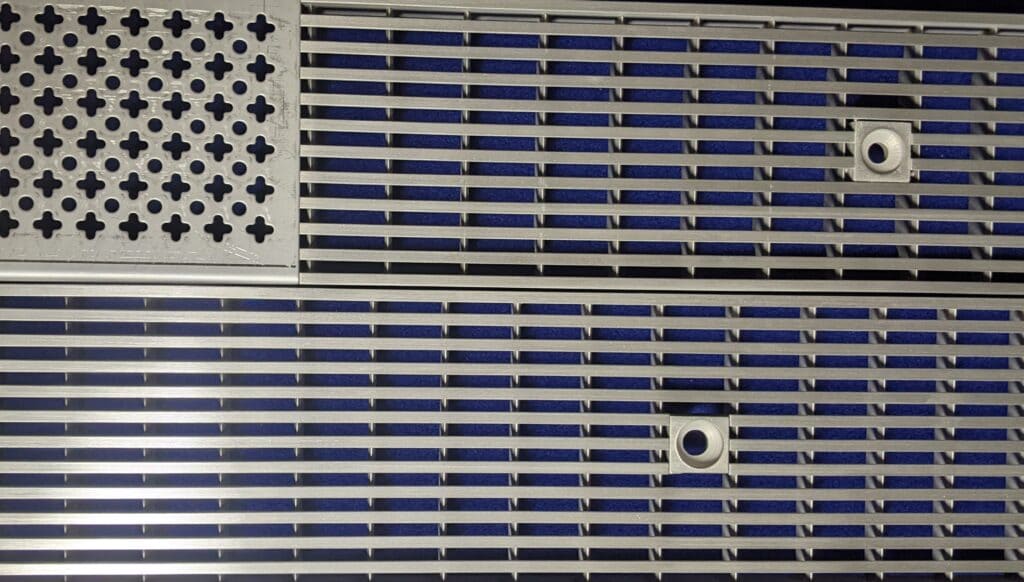
There’s more to a drainage grate than meets the eye. Choosing the right type of material can significantly impact its longevity, durability, and, of course, appearance. Let’s explore two popular types used in manufacturing drainage grates – 304 and 316L stainless steel.
Stainless Steel 304: The Popular Choice
One of the most commonly used materials in drainage grates is 304 stainless steel. This material offers excellent durability and corrosion resistance due to its high nickel and chromium content. Its strong structure, along with its ability to be easily formed and welded, makes it a popular choice for a wide range of applications, including drainage systems. However, despite its name, “stainless” does not mean it is completely resistant to staining or corrosion. Environmental factors, such as exposure to saltwater or harsh chemicals, can contribute to rust formation on 304 stainless steel grates.
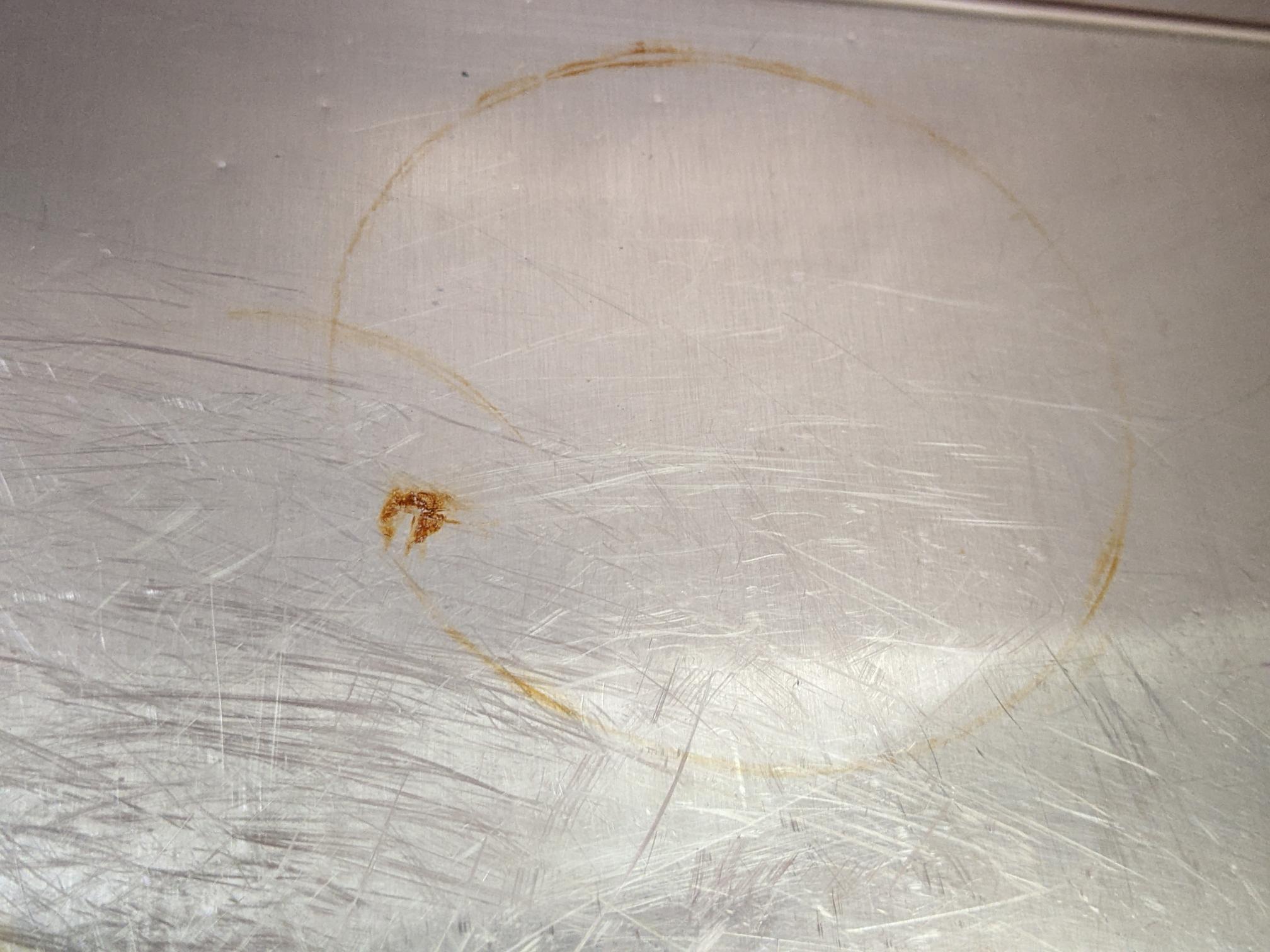
A 304 stainless steel sink showing signs of rust. It can easily be cleaned with Comet or Bar Keeper’s Friend.
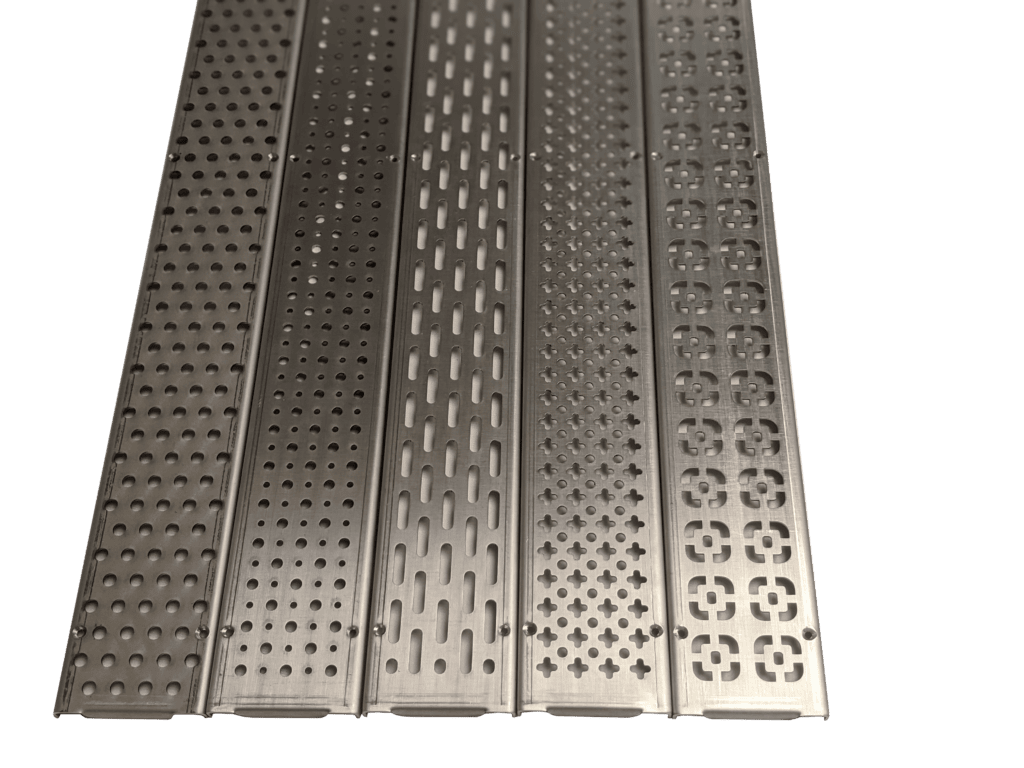
Stainless Steel 316L: Superior Corrosion Resistance
Enter the 316L stainless steel, often regarded as a higher grade than its 304 counterpart. 316L is equipped with an added element, molybdenum, which gives it superior corrosion resistance. This extra protection makes 316L a preferred choice for coastal or chemical-heavy environments where salt and other corrosive substances are common.
Galvanized Steel: An Alternative
Besides stainless steel, galvanized steel is another material often employed in drainage grates. It’s a cost-effective option that provides decent protection against corrosion, thanks to a zinc coating that acts as a protective layer. However, if this layer gets scratched or damaged, rusting can occur.
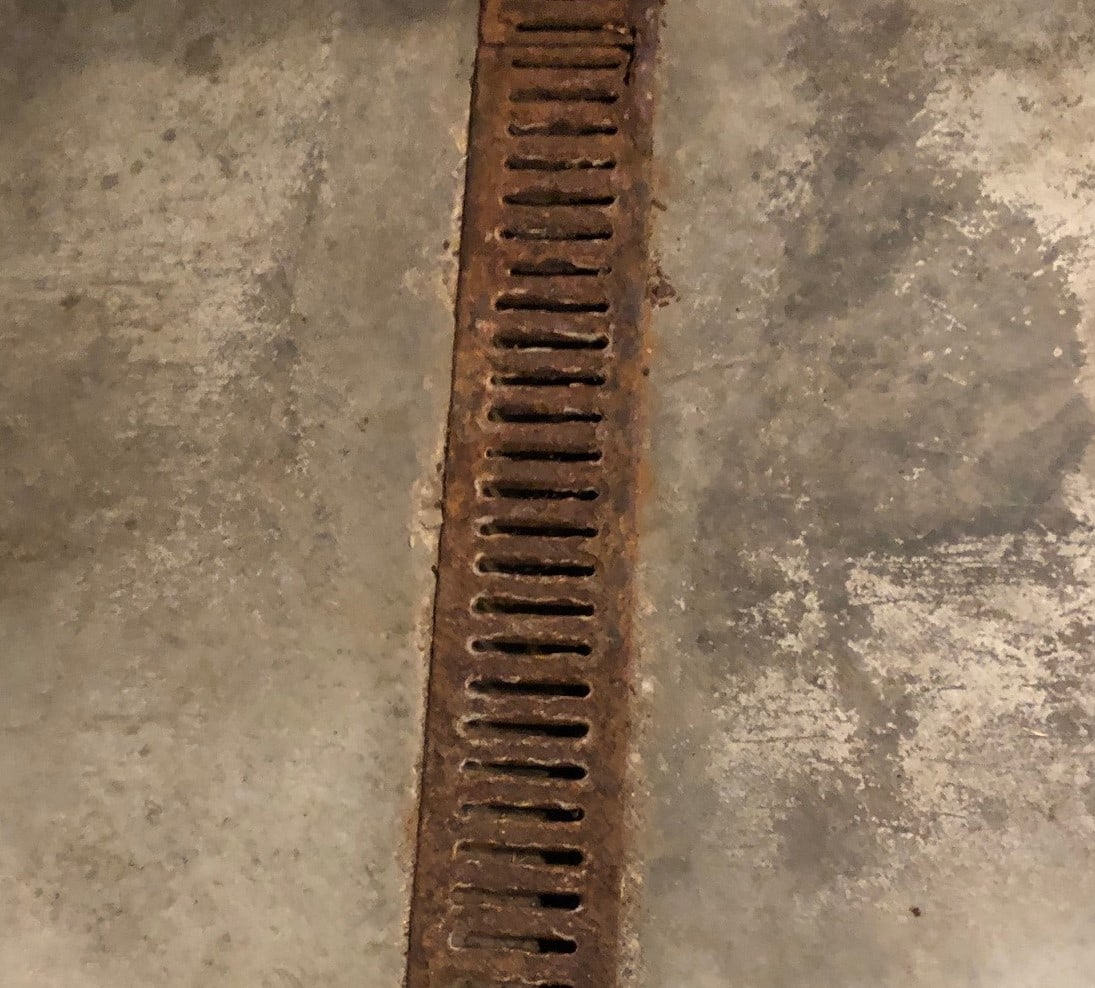
Galvanized grates that are 15 years old positioned in the middle of a residential garage.
Rust Prevention is Key
Whether you choose a 304, 316L stainless steel, or galvanized steel drainage grate, it’s important to understand that each material can experience rust under certain conditions. The key to maximizing the lifespan and performance of your grates is regular cleaning and proper maintenance. Be sure to inspect for scratches, wear, or damage that could expose the base metal to moisture and other elements, increasing the risk of corrosion.
Selecting the right material for your drainage grates requires careful consideration of your environment, application, and budget. By understanding the unique characteristics of 304 stainless steel, 316L stainless steel, and galvanized steel, you can make an informed decision and choose a grate that delivers long-lasting performance and durability.

Video: How to find Replacement Grates – Finding a replacement grate for your drainage system can be a challenge. Watch now to find the key identifiers for finding a replacement and what to do with that information once you have identified these key indicators.💧
The experts at TDS can help you find the right drains to fit your plan and budget. Contact us for a free quote or for further information on drainage solutions visit TrenchDrain.com or DrainageKits.com. Phone: 610-882-3630 Email: Shop@TrenchDrain.com
